Life
Samiuddin, son of Tajuddin, from Laghman province of the Safi Tribe
The Life & Legacy of
Samiuddin Safi Zhouand
A legacy of resilience, justice, and community service enduring through generations.
The Origins of a Name: Identity and Necessity
Today, the Zhouand family extends to more than 1000+ members across the world, united by a lineage with names like ‘Safi’, or ‘Atmar’ or ‘Pirzad'[2nd wife with Shia Persian background]. This is truly a refugee success story, with the family’s growth rooted in both challenge and strong tradition. In traditional Afghan culture, particularly among Pashtuns, identity is carried through through lineage, tribe, village, province and family memory.
Before western influence or perhaps force, a person would introduce himself by saying I am Samiuddin, son of Tajuddin, from Laghman, of the Safi tribe. That form of identity is precise, tells a fellow ‘watandar’ (countryman) exactly who you are, who your father is, where you come from, and what land you belong.
زه مې د پلار زوی یم.
I am my fathers son!
Afghanistan will always be a nation of tribes bonded with a common love for ‘watan’ or county. Current [2026] political environment does not reflect the views of its nationals. Everyone is Afghan, that is not implied or otherwise or intention to create further divide. Afghanistan will always be a nation of tribes united with a common bond of hospitality, forgiveness, generosity, love for the same food, music and culture and ‘ a fierce hatred of being ruled by invaders’. Some Afghans use their father’s first name as an identifier, for example children born to Omar become Omari, others used geography, so a person born in the region of Panjshir becomes Panjshiri. There is always a meaning in one’s name, it remains an important part of all our identities to this day.
The use of “Jan’ which means ‘dear’ seems more common amongst those that are forced to choose a surname under interrogation and a birthday that seems to always corresponds with 1st January. Amongst our own, it is rarely mentioned, there is always a deeper explanation in our introductions, a father’s name or region and that beautiful sense of shared indepent pride always prevails.
For Samiuddin, the need to adopt a fixed surname came when he was required to travel internationally for scholarship. For foreign immigration systems, “Samiuddin, son of Tajuddin, from Laghman, of the Safi tribe” was impossible to fill in the character requirements of a ‘Surname’. Faced with the need, he chose, Zhouand, from the Pashto word meaning ‘life’, many others in our family have retained our tribal name of ‘Safi’ as their surname.
The night the world changed
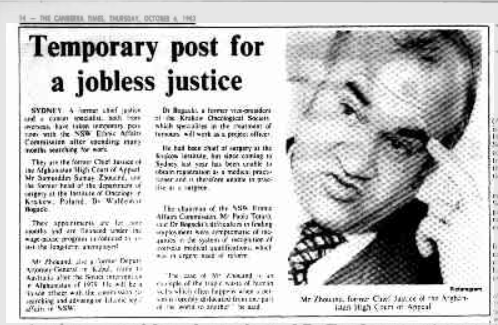
The life of the Zhouand family changed during the Soviet invasion of Afghanistan. Samiuddin Safi Zhouand had spent his public life refusing to bend law to political pressure. As the former president of the Supreme Court of Appeal and a Deputy Attorney General that fierce independence made him vulnerable when power shifted and judicial offices became targets of political control.
The night the Soviets arrived, he received a call to leave immediately. There was no time to plan, no time to gather the family, and no time to say farewell properly. That same night, he boarded a flight to India.
He left everything, home, office, position and, most painfully, his children. He stepped into the unknown because remaining meant danger, and perhaps death. That was the beginning of exile. Refuge alone was difficult for Samiuddin, the separation and the constant surveillance the family was being forced to endure, led Samiuddin into another form of public protest.
In the early 1980s, Samiuddin Safi Zhouand staged a public hunger strike in India. He turned his own body into a quiet but unshakeable protest lasting over 20 days against the cruelty of the Russian occupation,, demanding the right to be reunited with his loved ones. Some of the family members took an immediate risker journey through smugglers to reach Pakistan and then wait a further year to be rejoined for his hunger strike to end.
Refuge to Australia
Every member of our family and the greater diaspora has endured suffering in their refuge journey! This is an important learning from our father. Current ‘humanitarian refugee system’ promotes division. This can be seen throughout diasporas because the system fails to recognise that some chose to suffer in silence.
What matters in our case, is after displacement, the family did not choose bitterness or victimhood. Led by Samiuddin’s example, the family rebuilt their lives through education, work, service and contribution. Australia became the Zhouand family’s forever home through an extraordinary chain of human connection.
In the 1970s, during the era of the hippy trail, Samiuddin had formed a lasting friendship with Mr. Allan and Dr Dorothy Butt of St Ives in Sydney. Their friendship continued over the years through letters and cards. After displacement, however, finding a permanent home was difficult. A highly educated and experienced person can become, in the refuge system, little more than a number. Despite appeals and correspondence, progress was slow.
Then a small memory changed everything. Mazari [later marriage] remembered a cousin who had married a man in Australia named Isa, but had lost contact. Samiuddin know Sir Geoffrey Yeend, whom he had met through the Eisenhower Exchange Fellowship during the late 1960’s, who was then a senior and influential figure in the Malcolm Fraser government. He also knew Mr Alan and Dr Dorothy Butt in Australia.
Acting out of friendship, Mr Allan Butt drove to Canberra and met with Sir Geoffrey Yeend to advocate for the Zhouand family. The government indicated if the cousin can and be found, a visa pathway could be secured through the Humanitarian Refugee pathway.
Armed only with the first name “Isa”, Mr Butt, an accountant by profession, became an investigator. Against all odds, he found him. A bloke named ‘Mohammad’, ten k’s down the road at the local El Rancho Hotel in North Ryde, pouring ice cold beers. Connection established, conditions met, refugee visas granted. Through that chain of friendship, memory, advocacy and grace, our family reached Australia.
The first wave of Zhouand’s arrived on after Christmas during December 1982. [Note the first name is spelt different, this remains a current issue for many migrants where dialogue, and pressure at time to consent and later refinements are weaponised to deny Australian citizenship]
Mr Allan and Dr Dorothy Butt
This part is to honour the memory of my late father and the journey that brought us here. It is important that future generations of Zhouand’s know why they are here. Memories fade, new generations become absorbed in the world around them and forget to acknowledge the people, places and sacrifices that shaped their lives. Our family enjoys freedoms that many people can only dream of. Our children, grand children and future generations can choose their future, receive education, speak freely and live without fear, while girls and women in Afghanistan are still denied many of these basic rights.
Every single one of us is here because Mr Allan and Dr Dorothy Butt chose to help our family. The Butt family were not just supporters. They became family. They stood beside my father through one of the most difficult chapters of his life and changed the course of ours. They answered his cries for help when others did not. They shared our weddings, naming ceremonies, funerals and the important moments that make a family.
If it was not for the Butt family, there may never have been a Zhouand family in Australia. We may have remained another file in the UNHCR system, waiting year after year for a future that may never have arrived. The life we have today exists because the Butt family saw people where others saw refugees.
Mr Allan Butt lived a remarkable life. Highly educated, he held friendships with leaders, diplomats and influential people around the world, he was never defined by status or power. His friendships were built on humanity, respect and genuine care for others. He gave our family all his time, reputation and voice to support people who had no one else to speak for them.
The Butt family never sought recognition, publicity or praise. They simply open their homes, share their meals and make others feel they belong. The Butt family provided true integration, accepted all the children questions like ‘do I need a Christian name’, what is a ‘bigyaparden’, why do they yell ‘outtabounds’. Alot of our first memories were shaped with Australia through the Butt family, first ever beach visit for the family to Bungan Beach, Australia Day, Anzac Day and all major public holidays shared in their properties on the lake or the beach. These moments may seem small, but they are memories that remain forever.
For Afghans/Pashtun’s an elder is someone with wisdom, integrity, humility, generosity and a commitment to serving others. Mr Allan Butt embodied every one of those qualities. He became our elder through his character and actions.
Dr Dorothy shared that same spirit. Her kindness, generosity and quiet strength helped transform strangers into family. Together, Mr Allan and Dr. Dorothy gave us much more than a pathway to Australia. They gave us dignity, belonging and hope. The debt our family owes to Mr Allan and Dr. Dorothy Butt can never truly be repaid. Their legacy lives on through the way we treat others and the kindness we pass forward.
That will always be the legacy of Mr Allan and Dr Dorothy Butt-a legacy every future Zhouand should know, cherish and carry forward. In all our efforts we have attempted to pay it forwards, there are many generations that are already successful, and thriving, who needed refuge and protection and though Jessie Emily Zhouand selfless work in Connect Australia Pty Ltd and Hope and Wish Foundation will continue to reshape meaning and bright future.
After his work experienced, one the the Zhouand members chose an Automotive Electrician as his first trade, that was the impact of that short work experience journey. Ironically Samiuddin had this work-experience letter from Mr Butt in his personal, holding that deep respect for him always.
Migrants some struggle and some succeed on settlement
The journey of resettlement carries a lot of emotional toll for many migrants. Many arrive with hard-earned qualifications and language skills, false promises of ‘skill shortage’ only to be refused every position they apply for. It breaks down your sense of self, leaves one vulnerable to becoming a victims.
The settlement structure for refugees is a-lot better than in early years, programs that often extends to around 24 months of integration and include planned trips to navigate Centrelink and welfare systems. As a refugee cohort we needs time to heal and adapt, but we also need dignity and practical opportunity. The current system with its all good intentions may not always deliver what the greater Australia community wants or needs. That is the only way we can rebuild our lives, feel valued and make positive lasting financial contributions to Australia that we are fully capable of.
Community Service
Rather than live in the shadow of what had been taken from him, Samiuddin Safi Zhouand turned towards another kind of public service. He worked in demanding roles, including corrective services and later child protection within the Department of Communities and Social Services or DOCs. It was heavy work, long commutes and little recognition. He did not complain. Samiuddin, never spoke of status, he just carried honour!
For Samiuddin, providing for his children and being present for his community mattered more than titles. He built a new life centered around what he could still give to the world. He was a man who was never idle, volunteering his time wherever he could and finding his true purpose in quiet, everyday service.
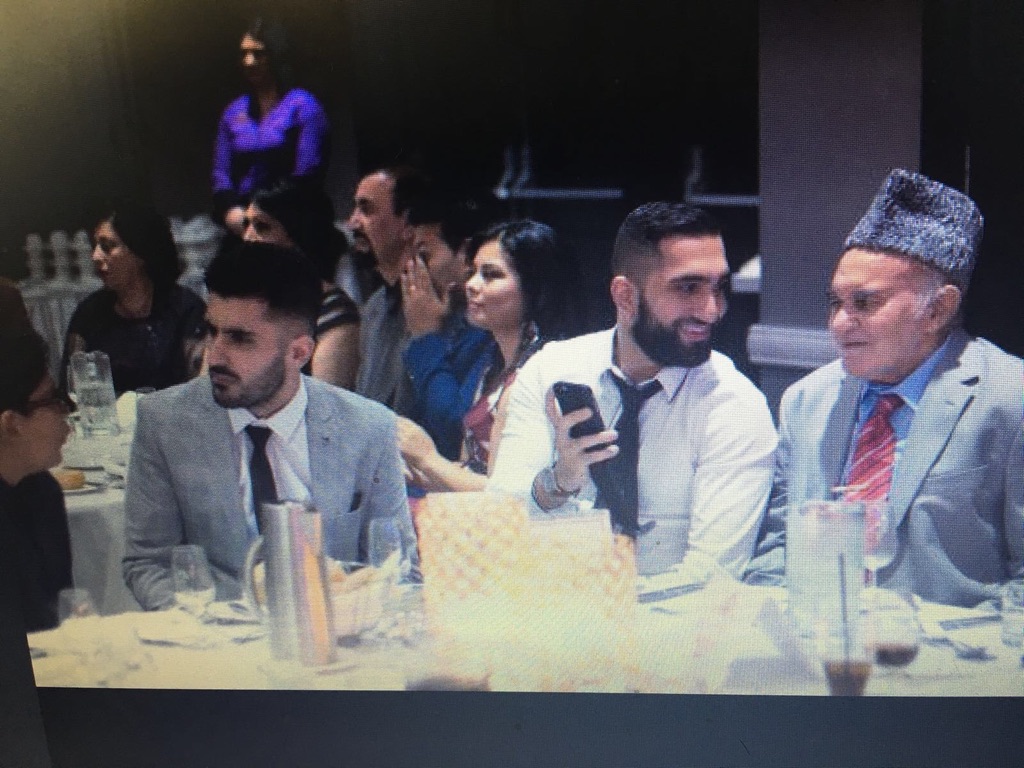
Samiuddin Safi Zhouand became a translator and would offer his services free to any community member. He also became a Justice of the Peace and was always available and travelling to cite and witness and translate documents for new arrivals. Along with many of Sydney’s founding Elders, including the late Mr Dehsabzi, whose children have achieved amazing success through legal, medical, and private enterprise, themselves, this small team of community Elders led a community-wide fundraising to establish the Afghan Community Centre and, later, the grand Usman Mosque at Blacktown. Today, this vibrant hub continues to grow and expand, proudly serving the needs of local residents from all nations. Samiuddin Safi Zhouand remained deeply engaged in Australian community welfare and politics. He remained an active member of the Liberal Party member for Bennelong and was a fierce advocate for policy shifts, ensuring fairness and accuracy-even during the challenging post-September 11 era, where many community members faced heightened political rhetoric and negative public scrutiny.
Loya Jirga
After the fall of the Taliban regime and the election of Hamid Karzai’s administration, global elections were held in 2002 to select expatriate representatives for the Emergency Loya Jirga. The Loya Jirga is a traditional Afghan grand assembly, bringing together tribal elders, legal scholars and community leaders to resolve national questions and help shape a constitutional path forward.
Samiuddin’s name was put forward by the Australian Afghan community. Local election took place on a weeknight. There was poetry, long speeches, rigorous debate and intense community voting. After three rounds of voting, stretching towards 2am, the result remained a dead heat between Samiuddin and another respected Afghan elder. Always practical, Samiuddin suggested a coin toss.
He won the coin toss, and made the journey back to Afghanistan, this time on cheap flights.
One of his first calls after the coin win was to seek guidance from a respected public figure that he admired and would write and meet with from time to time to share their love of law and justice. The Honourable Justice Michael Kirby.
Massud [2nd son] remembers his father’s notes following that one meetings. Samiuddin intended to advocate for minority rights at that Jirga, including the rights of vulnerable and marginalised people including LGBTQIA+ Afghans. Samiuddin Safi Zhouand was always Pashtun, deeply seated in his identity, but he never weaponised identity, religion or power. Every single time he chose service and protection.
Cards and memories… when all else is taken away… the small details seem to matter most… A laminated plastic card… that reminded Baba of his responsibility during the Jirga.
“For Massud, the memory of his father remain as: Baba was the nearest man I ever met to a perfect saint – a Muslim who loved like a Christian, walked like a Buddhist, forgave like Mandela, and lived like Gandhi.”
A father’s pride
Samiuddin love for his children was endless. In a culture where fathers appear stern, his love showed itself through protection, fairness, pride and quiet devotion. He loved each child equally, never favoured one above another, everyone was equal, everyone was special and unique. Whatever the circumstance, he cared deeply, expressing affection in his own dignified and cultured way. He carried immense pride in the achievements of each child. He would speak of each child to the others, recounting their successes, strengths and brilliance. His pride was a unifying force. Each child knew they were respected and cherished in his eyes. He did not need sentimental words to show love. His love was in his work, his sacrifice, his worry, his protection and his pride.
Independence and courage of each grandchild
Samiuddin Safi Zhouand was the elder of our immediate family. Yet, despite everyone’s efforts to uncover a ‘favourite child’, he never revealed his favourite, even during family disputes, his love remained equal. Under interrogation by his own kids, he held his ground like a fierce witness in the box, never, ever cracked. His second son, Massud, formed a theory: an extra bounce in his step, or wider smile always with the mention of our eldest sister, Rashida Nassrene. They shared such a beautiful bond that would always fill Samiuddin’s heart with joy.
Samiuddin Safi Zhouand loved his grand and great kids so much, he would join in their games, play whenever his body allowed. He was so proud of every painting, wobbly steps and even their strong set of lungs when they cried and took every chance to be with them.
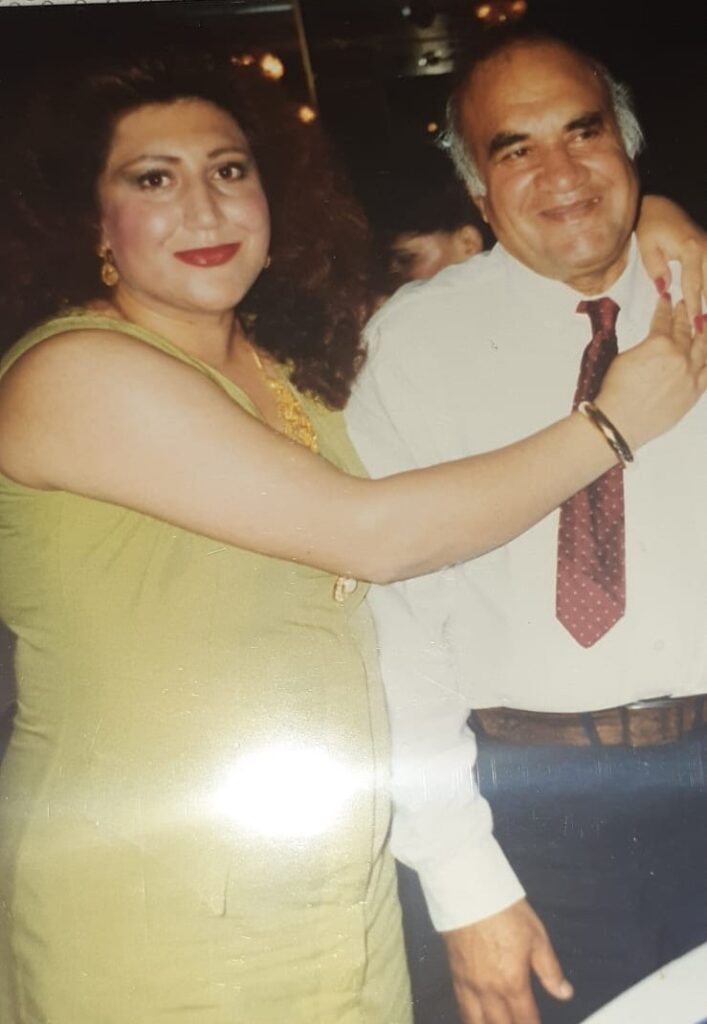
His great and great grandkids were more than perfect in his eyes. His personal photo album captured his love for them all, page after page filled with the faces of the grand and great-grandkids, alongside a single cherished photo of our elder sister Rashida.
Finally, after years of interrogation, he loved our kindest, most amazing elder sister Rashida the most, they were always beautiful to watch together.
Dr. Veda Zhouand Safi
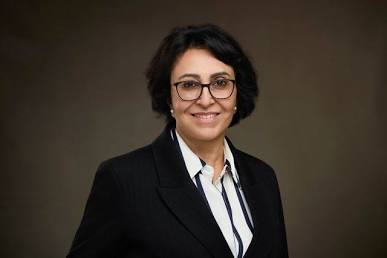
Dr. Veda Zhouand Safi is a highly experienced General Practitioner currently practicing at Parramatta Healthcare in New South Wales. She holds a Doctor of Medicine (MD), a Diploma in Child Health (DCH), and is a Fellow of the Royal Australian College of General Practitioners (FRACGP).
Her medical career spans decades and continents, reflecting a deep dedication to healthcare and her community. After earning her MD from Kabul University in 1987 and working at Kabul’s Women’s Hospitals throughout the 1990s, she continued her medical journey in Australia. She served as a Medical Intern and Resident Medical Officer across several major Sydney hospitals -including Westmead, Blacktown, Mt Druitt, and Auburn-before achieving her RACGP fellowship in 2010.
Today, Dr. Zhouand Safi focuses her practice on areas where she can make a significant foundational impact, with special interests in women’s health, children’s health, and pregnancy shared care. Multilingual in English, Dari, Pashto, and Hazaragi, she is able to provide accessible and culturally sensitive care to a diverse patient demographic.
Luna Zhouand
Business and enterprise
His daughter Luna carries that same resilience in her own life. Originally trained as an engineer, she rebuilt her path through determination, enterprise and hard work, becoming a successful business owner and community leader in her own right. Like her father, she has never measured success by personal achievement. She has used her experience to support new arrivals, encourage families starting again in Australia, and help others find confidence, work, direction and belonging. In her business, community work and quiet guidance to others, Luna reflects the same values Samiuddin lived by: resilience without complaint, service without expectation, and success that is shared with the community.
zia, ariaye – Luna Download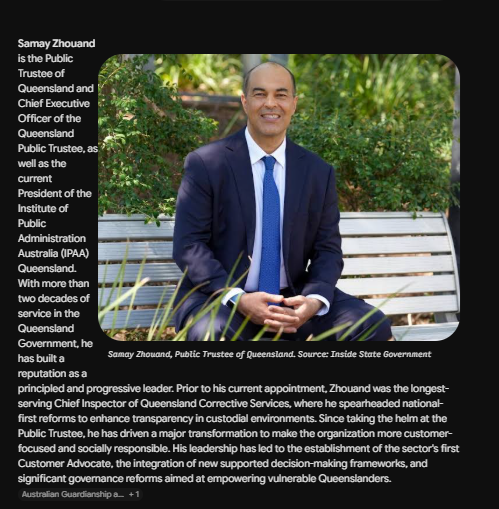
Samay Zhouand
Pubic Service
Samay Zhouand’s trajectory into public leadership is built on a foundation of deep-seated family legacy and rigorous legal expertise. Coming from a lineage where every child, grandchild, and great-grandchild has achieved remarkable outcomes, he chose to follow directly in his father’s footsteps by pursuing law. After completing his legal studies, Samay (Jnr) Zhouand commenced his legal career with a Barristers Practicing Certificate in Queensland, before embarking onto Public Service.
This strong legal grounding served as the springboard for his transition into the public sector, launching a distinguished career that spans over two decades. Before stepping into his current roles as the Public Trustee of Queensland, CEO, and President of IPAA Queensland, he utilised his barrister’s acumen as the longest-serving Chief Inspector of Queensland Corrective Services. In that space, his legal expertise was instrumental in driving national-first transparency reforms. Today, his background in law continues to inform his transformative approach at the Public Trustee, where he champions supported decision-making and robust governance to protect and empower vulnerable Queenslanders.
Zmarak Zhouand
Legal Practioner
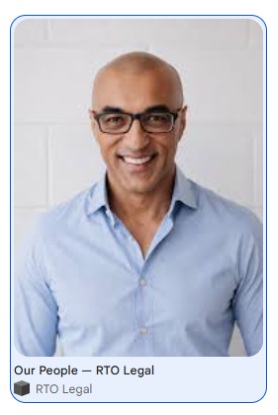
Zmarak Zhouand is a highly experienced corporate lawyer and the Principal Solicitor at RTO Legal. He specialises in providing regulatory and commercial advice to registered training organisations (RTOs) across Australia. Zmarak was admitted as a legal practitioner in New South Wales, and later admitted to the New York Bar in 2014. He holds a Bachelor of Laws from the University of New England and a Bachelor of Arts from SCU.
He leads the firm’s regulatory and commercial practice, guiding RTOs through complex ASQA compliance issues, audit responses, and sanction notices. His work includes handling Administrative Appeals Tribunal (ART) appeals and Federal Court judicial reviews, as well as managing corporate transactions like mergers and acquisitions. Early in his career, he worked with leading Australian corporate law firms, including Henry Davis York and Gadens Lawyers, representing major national and international clients.
Born in Kabul, Afghanistan, before moving to Australia in 1982, Zmarak has also worked internationally. In 2008, he returned to Afghanistan to serve as Senior Legal Counsel for the telecommunications company Roshan and its subsidiary M-Paisa. He later co-founded the law firm Satchu & Zhouand in 2011, providing corporate, tax, and regulatory advisory services for the Afghan market and working with international development finance institutions and government agencies.
Jessie Emily Zhouand
Charaties and Community Service
Paying it foreword
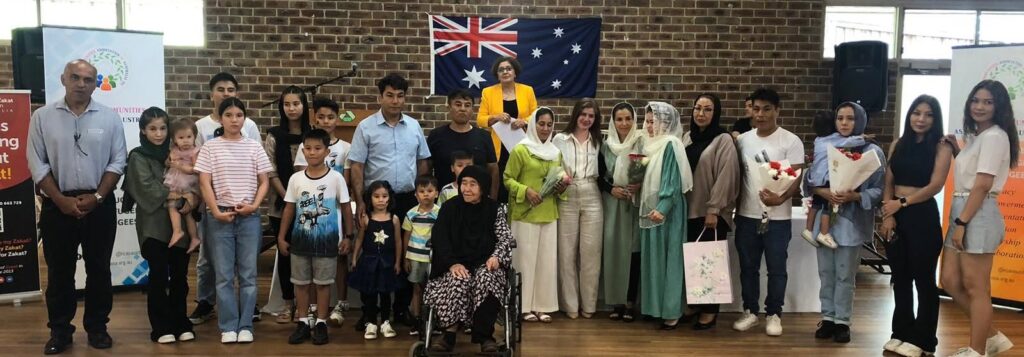
Jessie Emily Zhouand leads our families legacy in helping and continuing to assist refugees, asylum seekers, and women at risk reach safety, through her writings, submissions, advocacy and knowledge. Jessie Emily Zhouand is helping us pay it forward through the legacy of Mr Allan Butt and Dr Dorothy Butt.
Image below is a sample of her pro-bono real work. Surrounded by her humanitarian work and new arrival in Sydney celebrating their First Australia Day Sydney Celebrations with Refugee Council of Australia and Hope and Wish Foundation.
Hope and Wish Foundation remains supported with pro-bono work of Connect Australia Pty Ltd and the incredible advocacy and assistance by Veteran Support Force – where some of the members above had worked alongside Australian troops during the Hon Julia Gillard visit to Afghanistan.
Grand-children achievements
Angela Omari
Lawyer
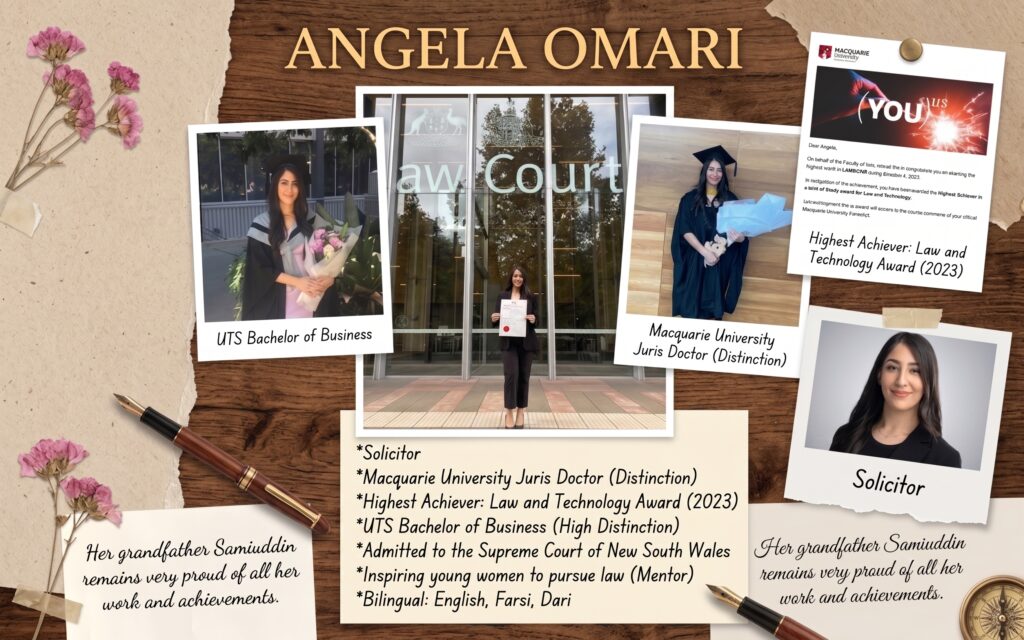
Driven by a deep-seated commitment to justice and client dignity, Angela works in the public liability, historical institutional abuse, and work injury damages. Known for her compassionate and client-focused approach, Angela ensures that those who have been wronged or injured have a fierce voice in the legal system. Her ability to speak English, Farsi, and Dari fluently allows her to connect with and advocate for a diverse range of clients, bridging cultural and linguistic gaps to provide clear, empathetic, and highly effective legal representation.
Shaped by her grandfather’s sense of justice and hard work, Angela Omari’s achievements include:
- Bachelor of Business with High Distinction from the University of Technology Sydney (UTS)
- Juris Doctor with Distinction at Macquarie University
- Admission to practice in the Supreme Court of New South Wales
- High Achiever award in Law and Technology
Her grandfather, Samiuddin Safi Zhouand remains deeply proud of all her work and achievements.
Angela’s legal practice is built on a foundation of rigorous academic excellence. She earned her Bachelor of Business with High Distinction from the University of Technology Sydney (UTS), before going on to complete her Juris Doctor with Distinction at Macquarie University. Following her exceptional academic performance, she was admitted to practice in the Supreme Court of New South Wales.
Beyond her daily work in the courtroom and at the negotiating table, Angela is deeply committed to community mentorship. She regularly speaks to high school students, actively working to inspire the next generation of young women to pursue careers in the legal industry. Through both her professional advocacy and her community engagement, Angela continues her family’s enduring legacy-championing independence, courage, and the fundamental right to justice for all.

Jack Zhouand
actor, performer and musician
Jack already a published author when he was only 10 years old with Imprisonment at Ironfist: and other stories available through Amazon books has pursued performance, music and entertainment with the same confidence and willingness to serve others that Samiuddin encouraged in all his descendants. His public profile records work across theatre, commercials, presenting, comedy, children’s entertainment, music and performance. His credits include theatre and musical theatre, public campaigns, commercial work, presenting, comedy, and work as a singer, rapper and guitar player. His profile also records skills in acting, singing, acoustic guitar, comedy, modelling, hosting and screen performance.
Jack’s path shows another side of the Zhouand legacy. Not every contribution to the world is made from a courtroom, government office or formal institution. Some are made through performance, music, laughter, confidence and the ability to bring people together. Through his work, Jack carries forward the same family values in a different form: discipline, courage, public presence, humour, generosity and the willingness to stand before others and give something of himself. The family remain always proud.
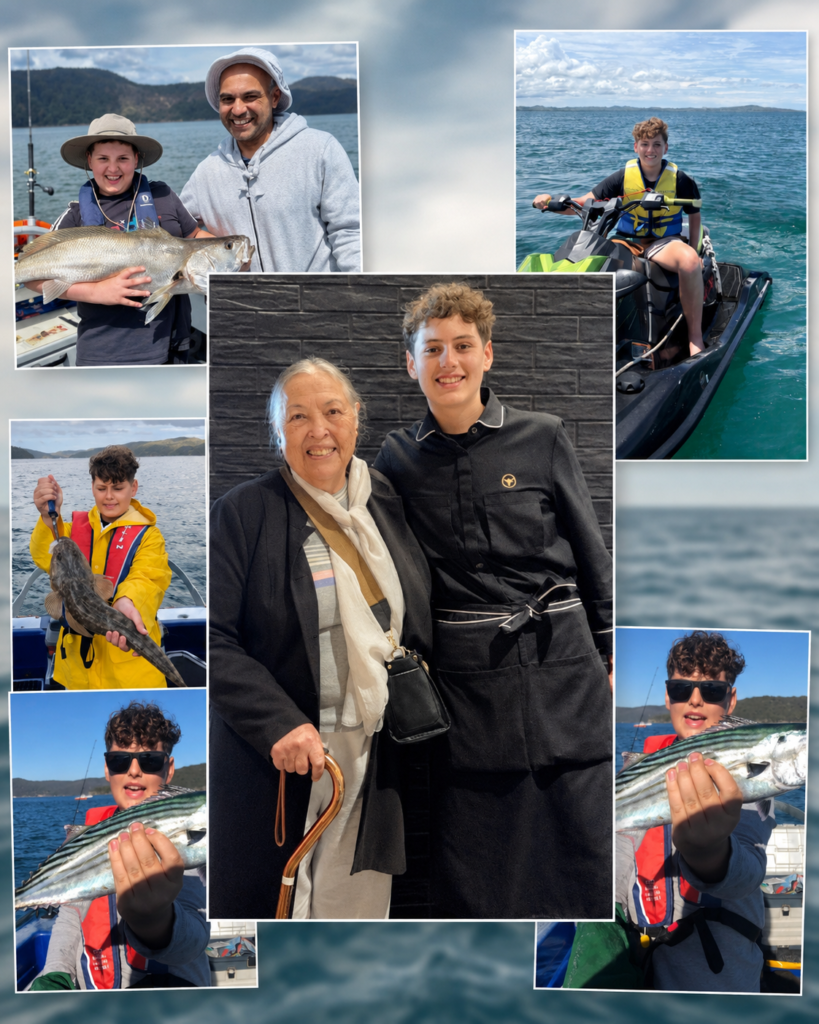
Samir
A Legacy of Fierce Independence: The Pashtun Trait
Children are encouraged from a young age to work, learn skills, manage their own money, do sports, accept responsibility and seek guidance from those who know more than immediate family.
That spirit is visible in another Sam. Samir at a young age has earnt his brown belt in kickboxing, receives ongoing training and sparring including regular trips to Thailand where he comes back bruised and battered and still knows he is never to use those skills in any form outside of the ring (Samiuddin thought everyone, ‘physical force is for the illiterate weak’).
Samir works weekends as a professional waiter at a high-end Japanese restaurant, loves his mountain bike and a carries a genuine entrepreneur spirit where he maintains regular clients through his small businesses and in car washing, pet minding and lawn mowing.
Like many in our family, Samir is learning through work, effort, humility, non violence, and experience.
This is the life Samiuddin sacrificed his own for…future generations free to work, learn, serve, laugh, fish and live fully.
This is what we we call learning to fish with the big fish.
Bibi Mazari Zhouand